These inkjet badges are compatible with various commercial inkjet printers, including the Epson C3520. This printer supports full-color inkjet printing and a range of label media. The inkjet badges are intended for on-site printing of attendee information, making them an option for events where badge details need to be printed at the venue. When checking compatibility for your setup, consider whether your equipment matches the selected badge material. The Epson C3520 is one of the specified compatible printer models. Before using the Epson TM-C3520 or another commercial inkjet printer, confirm that the badge material meets the printer's media specifications. Checking the printer model and badge specifications in advance can help prevent feeding or printing problems.
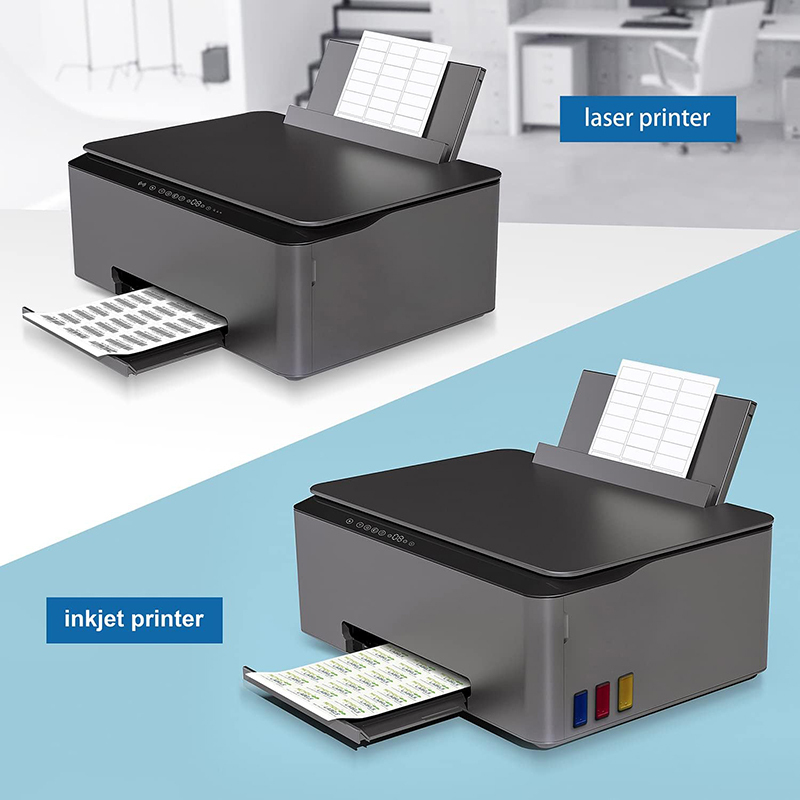
Yes. High-resolution inkjet coated paper delivers vibrant colors and precise printing for names, job titles, identification numbers, company branding, and event information. It is suitable for color printing, producing vibrant colors and precise details for event badges. The coating is designed to accept ink evenly, producing sharp text and clear logos. This makes the material a good choice when badges need to show company colors, detailed graphics or high-quality photographs. Names and titles print cleanly, and branding elements remain distinct. Whether you are preparing badges for a business conference or a large exhibition, the inkjet material provides a practical option for presenting personalized information in a clear and professional format.
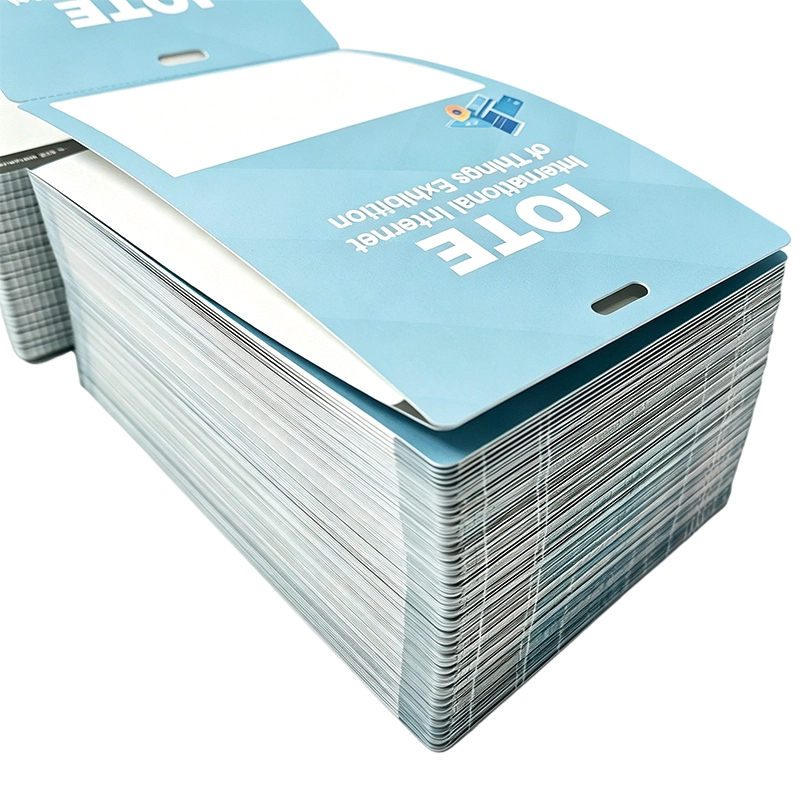
Yes. Our PVC event badges are waterproof and wear-resistant, making them suitable for conferences, trade shows, exhibitions, and other events where badges may be used repeatedly. The standard PVC thickness is 0.76 mm(also can follow client’s requirements to do different thickness), with glossy and matte finishes available to suit different design preferences. Other thicknesses can also be customized according to your requirements. PVC is a practical choice for event identification when durability and appearance are both important. The badges support clear printing of details such as company logos, QR codes, and text, making attendee and staff information easy to identify. Whether you are preparing badges for a corporate conference or a trade exhibition, you can select the surface finish and thickness that best fit your event requirements.
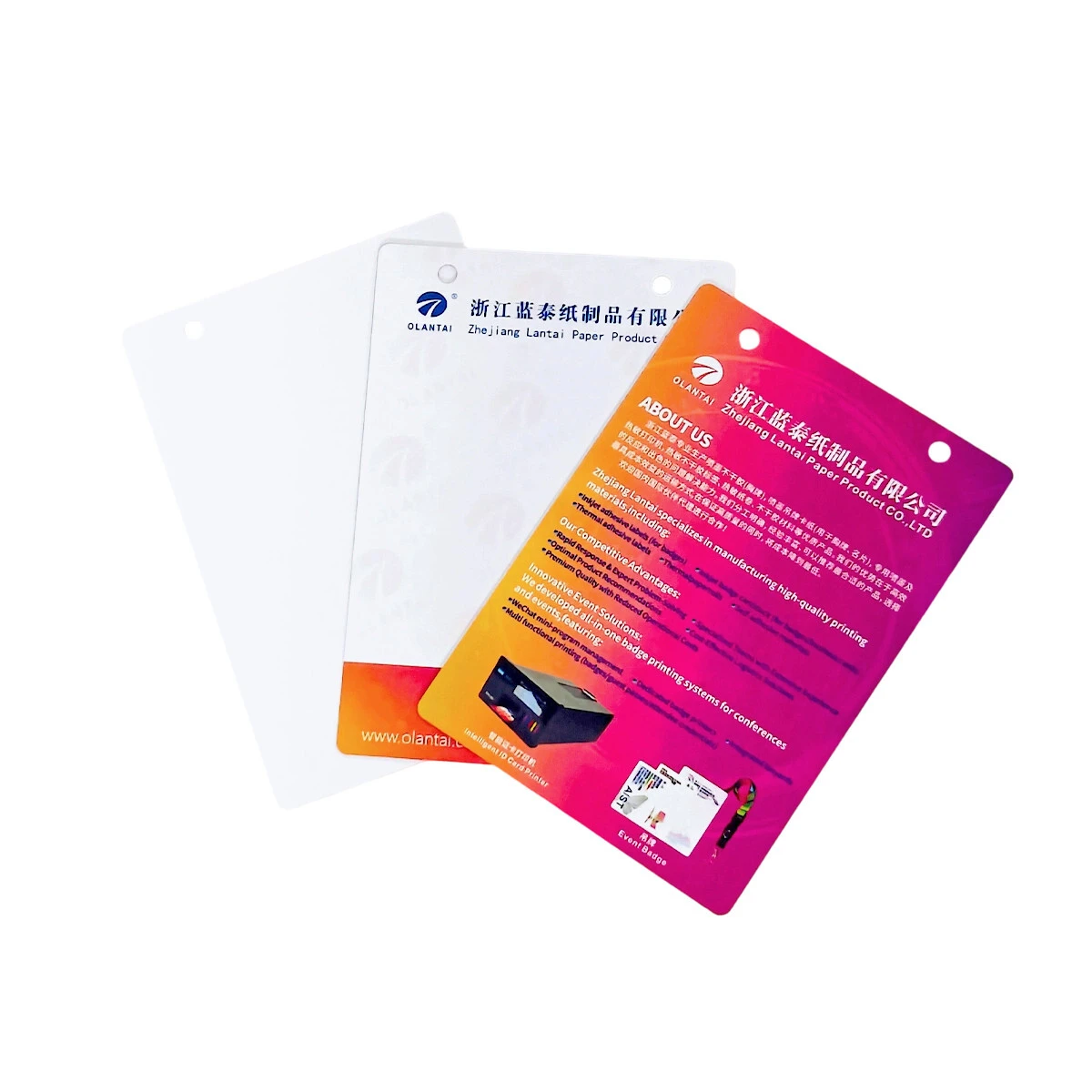
Three materials are available for event badges: PVC, high-resolution inkjet coated paper, and direct thermal paper. Each option corresponds to a different stated requirement.
PVC, high-resolution inkjet coated paper, and direct thermal paper are available for long-term use, color inkjet printing, or fast on-site badge printing. PVC is chosen when durability and reuse are important. High-resolution inkjet coated paper supports full-color printing of names, logos and event details. Direct thermal paper allows quick printing at the registration desk without extra consumables. These three options cover different event requirements, from multi-day exhibitions that need robust badges to same-day registration that benefits from instant thermal printing. Sizes and finishes can be adjusted to fit the planned use.
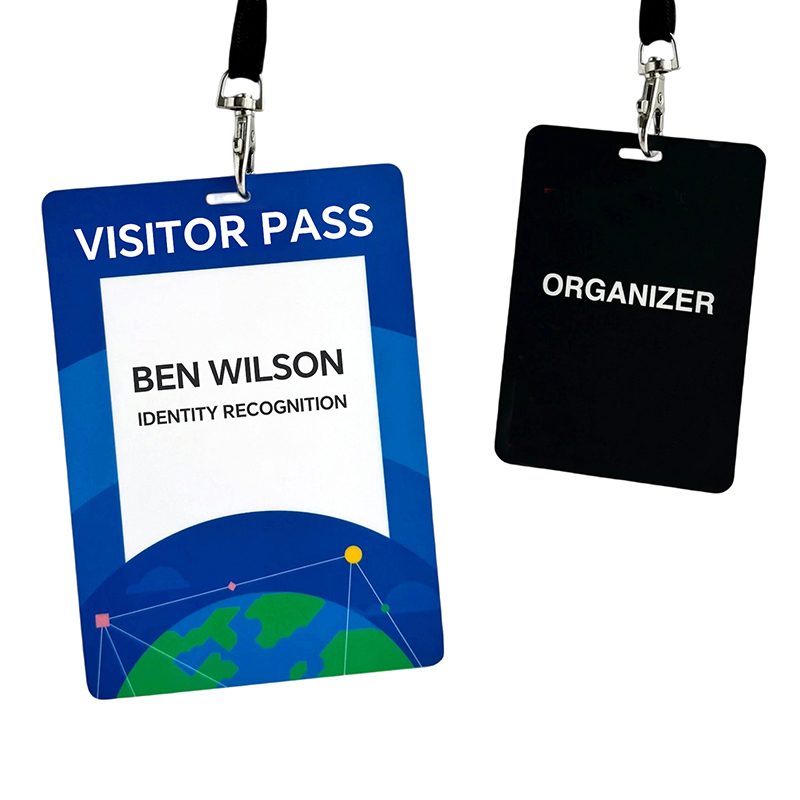
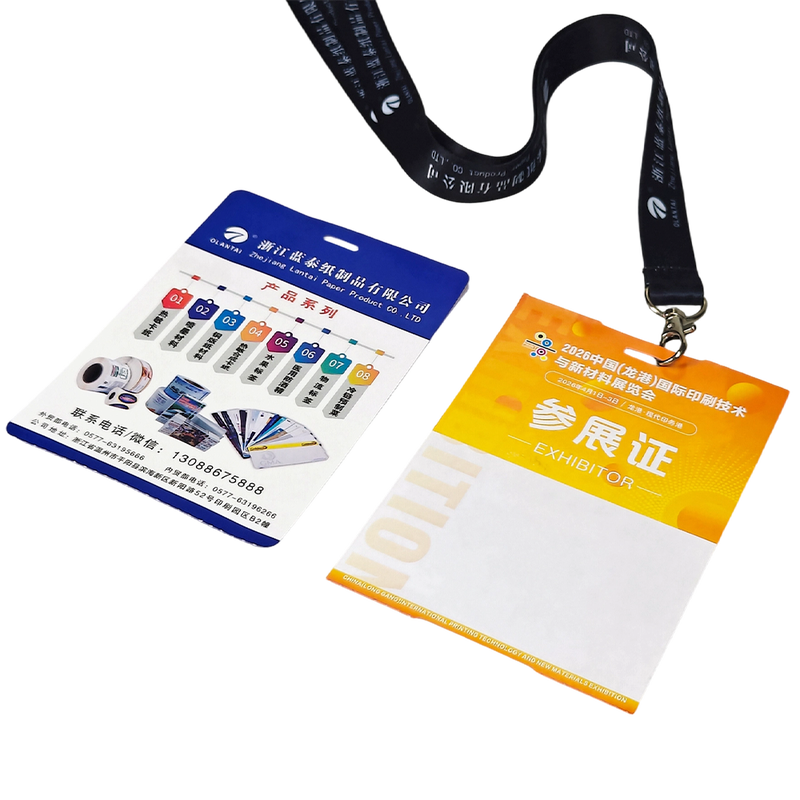
These event badges are suitable for a range of events, including exhibitions, trade fairs, conferences, seminars, training courses, academic exchanges, corporate activities, music festivals, and sporting events. The available applications cover business events, educational activities, corporate gatherings, and public events. When selecting badges for an event, consider the type of activity and the information that needs to appear on each badge. Different badge materials are available, including PVC, high-resolution inkjet coated paper, and direct thermal paper. These options provide different printing and material choices for event badge production, allowing you to select the type that corresponds to your event's requirements.
Variable-data printing of PLU codes, harvest dates, batch numbers and multilingual origin marks, applied directly at the packing line. The printable surface is made so that product information can be coded in real time as packing takes place. Operators can add PLU codes, harvest dates, batch numbers and origin marks in different languages while the produce moves along the line. This removes the need to prepare and store pre-printed tags for every product type or language variation. The required details are printed onto each tag at the moment of packing, giving the flexibility to match the exact information needed for each batch without slowing the line.
The top coating is designed for both TIJ inkjet coders and TTR desktop printers. TIJ (thermal inkjet) coders spray ink directly onto the surface and are often used for high-speed coding on packing lines. TTR (thermal transfer ribbon) desktop printers use a heated ribbon to transfer the image and are common for smaller-batch or offline printing. We made the surface coating so it works with the thermal inkjet coding systems and thermal transfer ribbon printers that most packing houses already have. After printing, the ink dries in about two seconds, which helps keep your line moving. The barcodes meet GS1 Grade B standards, so they scan reliably once the tags are on the bags. This way you can print directly on the line with the equipment you already use.
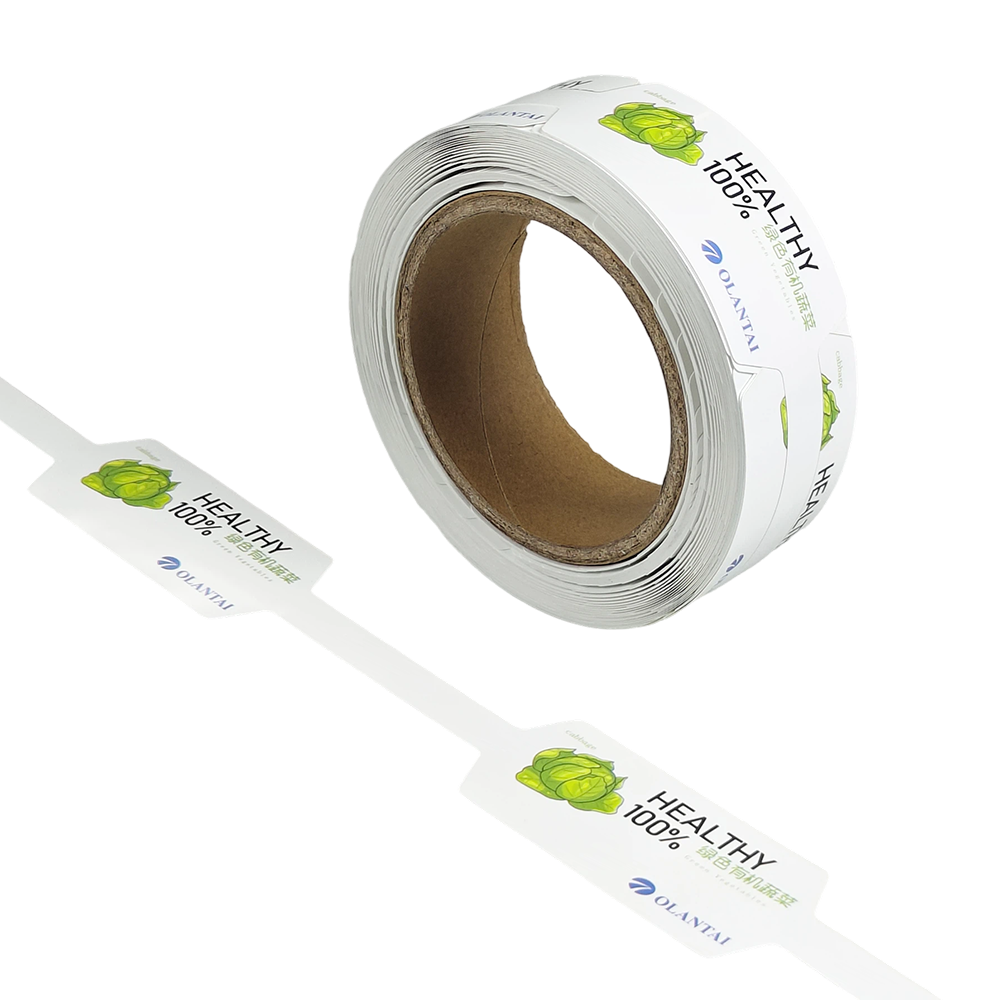
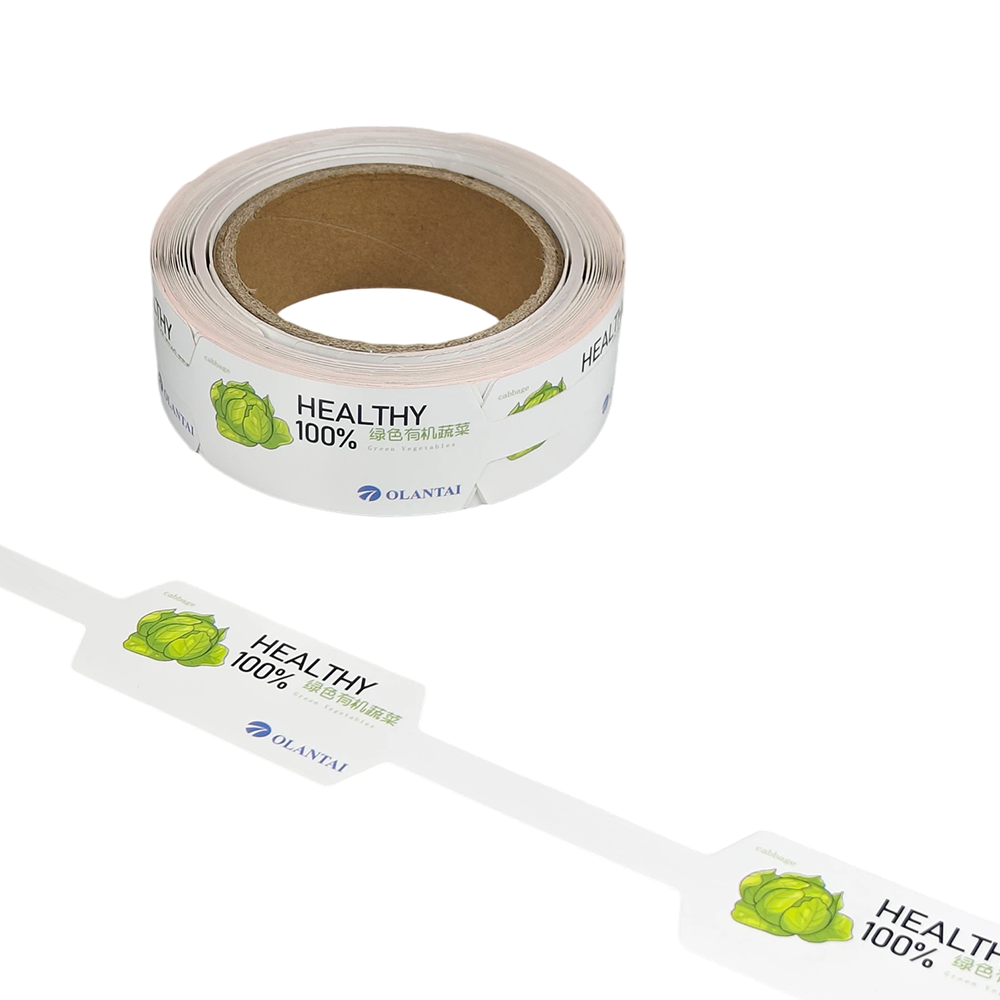
Tensile strength is around 25 N/15mm. That supports fast tag removal from mesh bags of onions, oranges and potatoes under packing-line conditions. OLANTAI uses a high-density PP synthetic paper base that is strong enough for workers to pull the tags off quickly without tearing. On a busy line this means the tags come away cleanly from the mesh bags, even when you are handling produce like onions, oranges or potatoes. The material is chosen to handle the physical work that happens during packing, so it’s easy to remove the tags fast and without damage as part of everyday operations.
Yes. The water-repellent surface keeps barcodes and lot numbers legible through cold storage, humid pre-cooling and ice-water rinse lines. This is the specific environment the product was designed for. The high-density PP synthetic paper base with its water-repellent coating maintains print clarity when tags are exposed to moisture and low temperatures during produce handling. Barcodes and batch information remain readable after passing through cold storage, pre-cooling stages and ice-water rinses on packing lines. The material was developed specifically to perform under these humid and chilled conditions without the printed data becoming unclear.
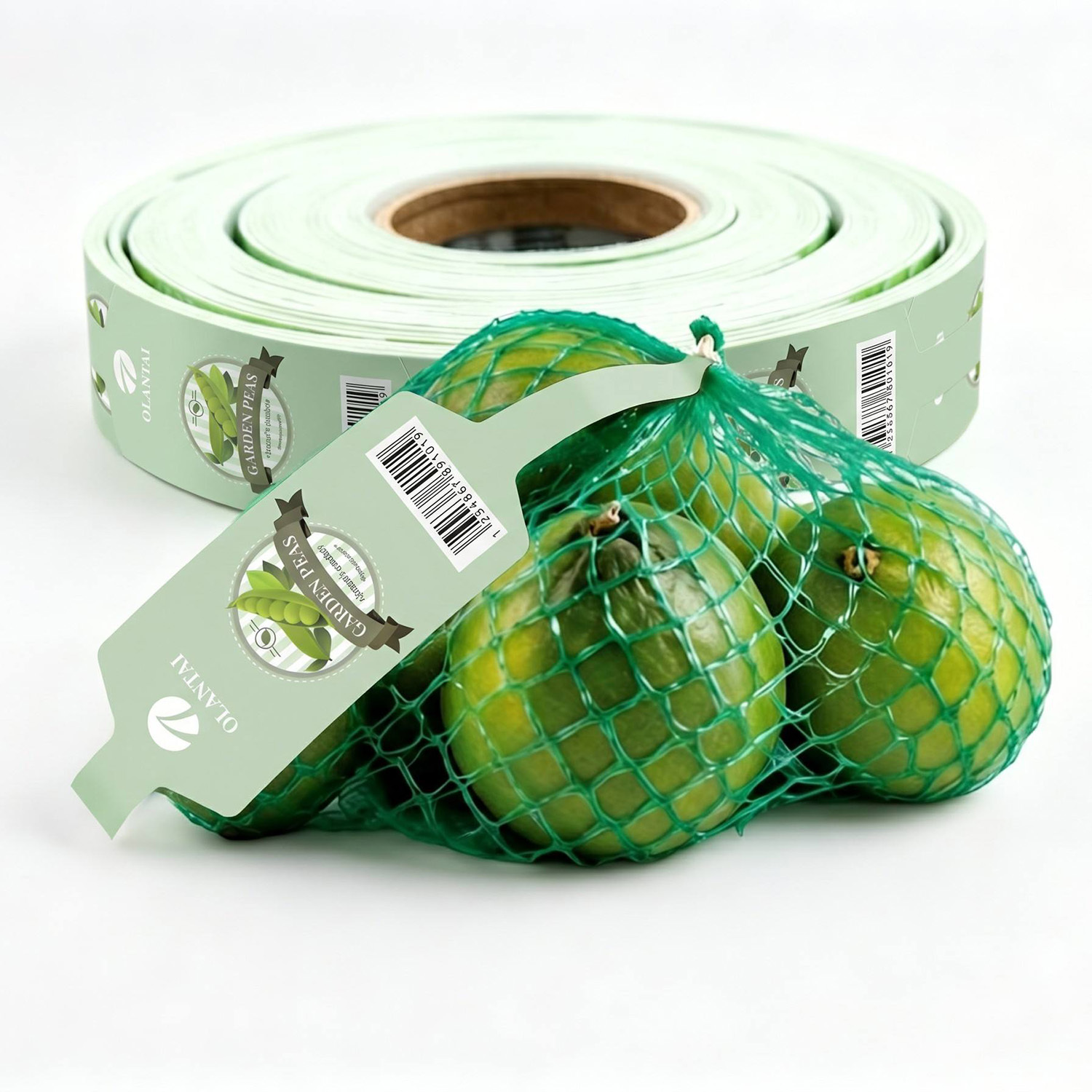
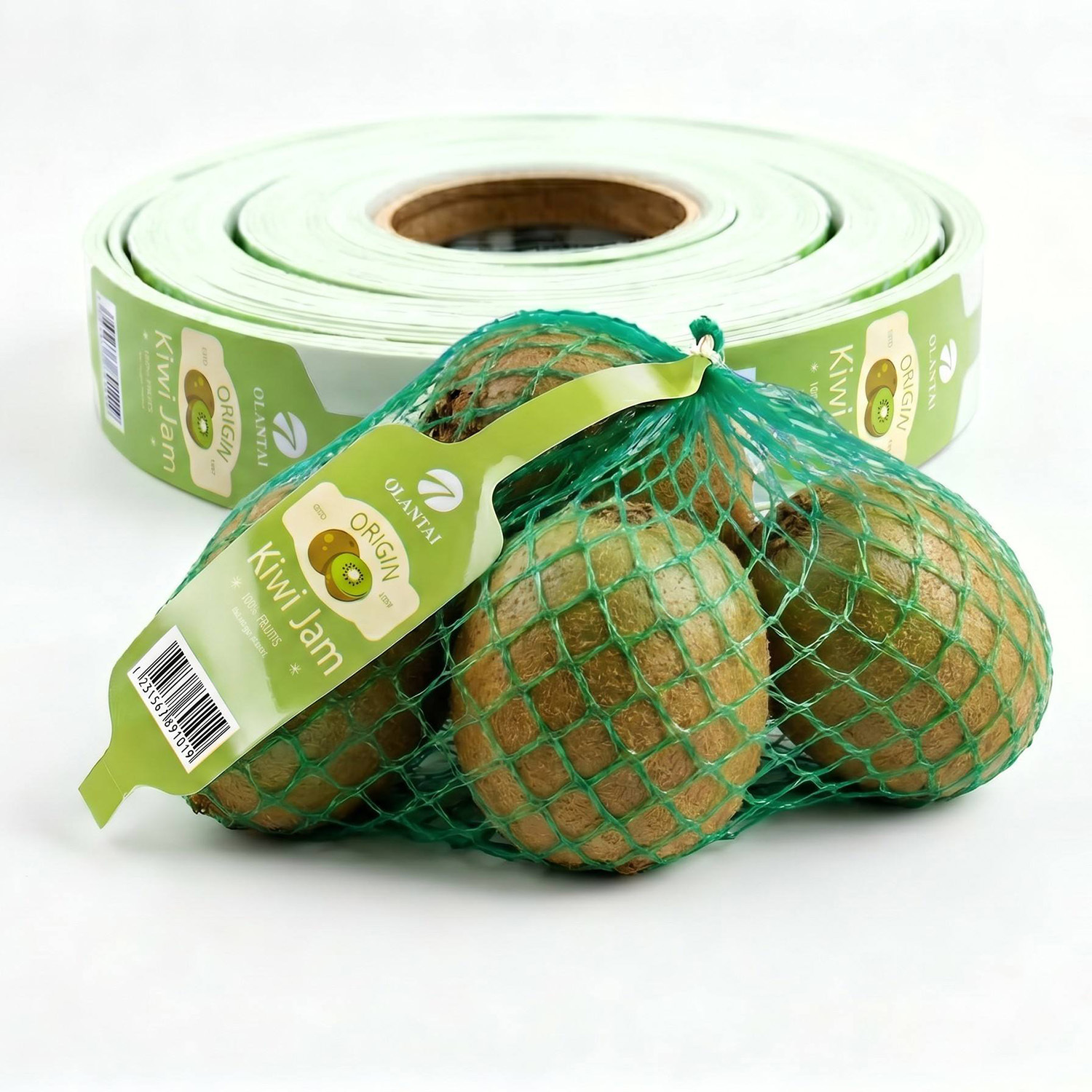
The face material used for these fruit net bag tags is 200 μm high-density PP synthetic paper with a water-repellent surface. Unlike ordinary paper, this material is better suited to packaging environments where moisture may be present, because the base is synthetic rather than paper stock. The water-repellent surface is a useful feature for fruit packing, where tags may come into contact with damp conditions during handling. When choosing tags for your packaging, you can consider both the material thickness and its surface properties. These tags use a high-density PP synthetic paper base with a 200 μm thickness, providing the specified material and surface characteristics for fruit net bag labeling.
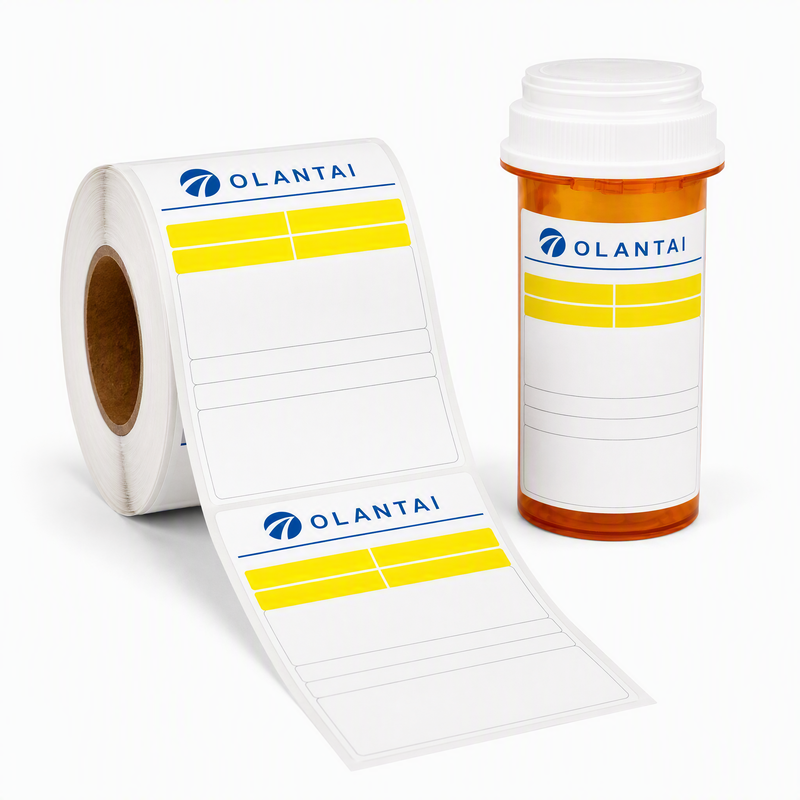
The medical-grade adhesive is suitable for common pharmacy packaging surfaces, including glass and plastic. The appropriate adhesive can be selected according to the bottle material, storage environment, and label removal requirements. These considerations are important when determining which adhesive option best matches your packaging application. For example, the material of the bottle and whether the label needs to be removed can influence the selection. Permanent hot-melt adhesive and removable adhesive are available, offering different bonding and removal characteristics. By identifying the packaging surface and intended use before ordering, you can select the adhesive option that corresponds to your labeling requirements.
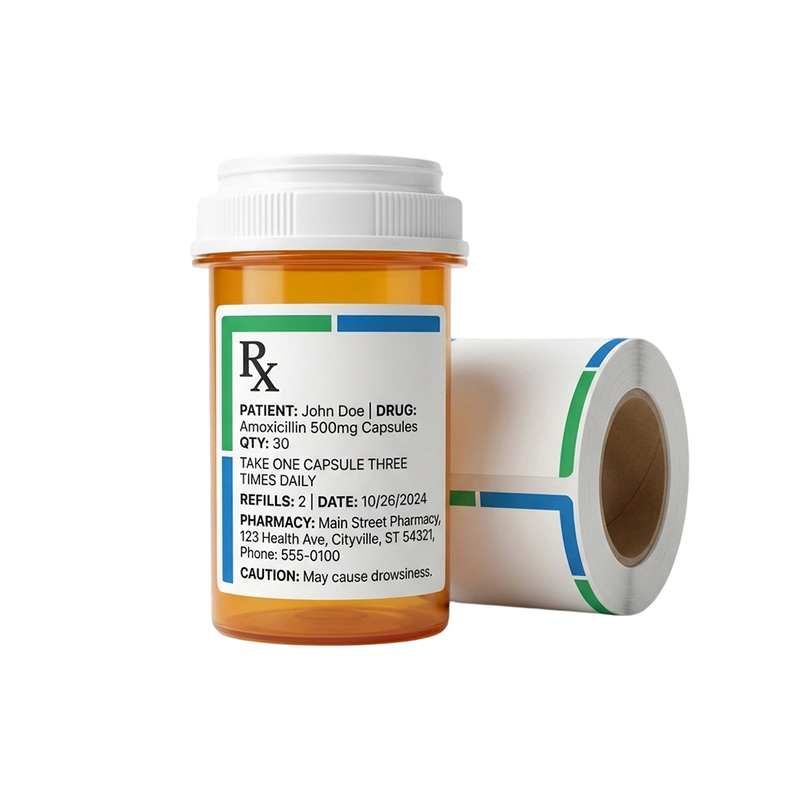
Many adhesive options are available for pharmacy labels: standard permanent hot-melt adhesive, removable adhesive, freezer-grade adhesive, and more. The permanent hot-melt type delivers strong bonding that holds securely on pharmacy packaging, while the removable version allows clean peeling with minimal adhesive residue left behind. For medicines that require refrigerated or frozen storage, we can supply freezer-grade adhesive to maintain reliable adhesion in cold-chain conditions.
The main difference is the intended use: one prioritizes lasting attachment, while the other provides greater flexibility when removal is required. These options cover the common requirements for pharmacy label applications on bottles and packaging. Selecting the appropriate adhesive helps align the label with its intended application. When choosing among them, consider the packaging material, storage conditions, and your requirements for label removal. We also support customized adhesive solutions to meet specific customer needs.